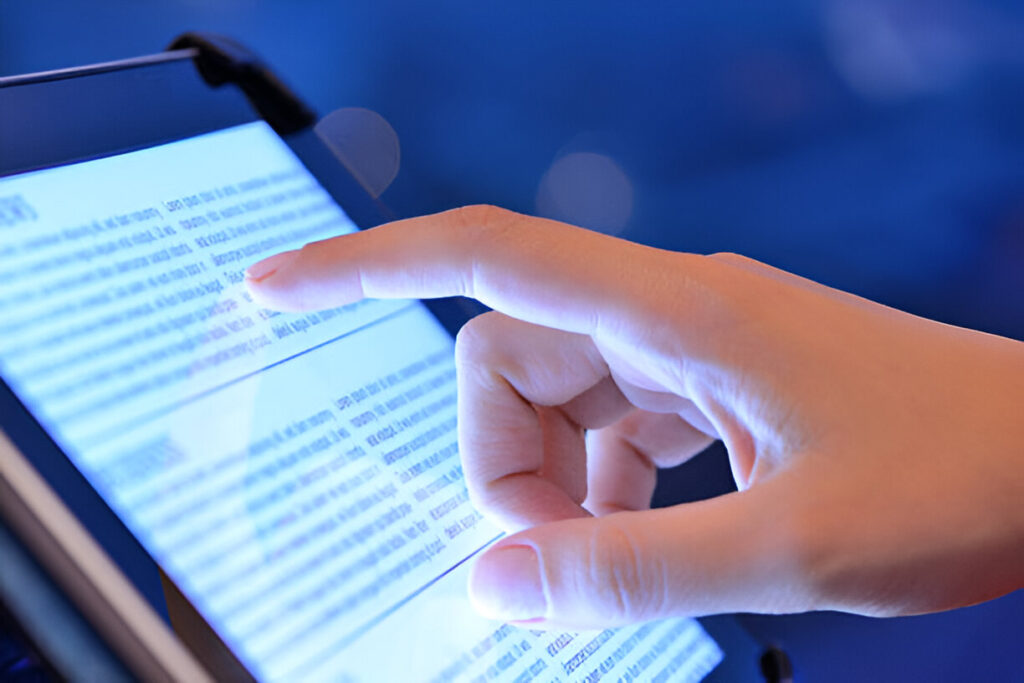


In the ongoing debate between ebooks and print books, each format offers distinct advantages tailored to different types of users. Ebooks provide a high level of convenience through their digital nature, allowing for immediate access and a reduction in physical storage space, while also offering customizable features such as adjustable text size and backlighting. On the other hand, print books are prized for their physical presence, which offers a sensory experience that many find irreplaceable—a satisfaction that extends from the feel of the paper to the pleasure of seeing them on a shelf. As we consider these differences, one might wonder how these factors influence the decision-making process for various readers, particularly in terms of cost, environmental impact, and technological accessibility.
Understanding Ebooks and Print Books
In exploring the realm of digital and traditional reading formats, it is essential to delineate the fundamental characteristics of ebooks and print books.
Ebooks, or electronic books, are digital versions of texts accessible via computers, tablets, e-readers, and smartphones. These digital formats allow for enhanced portability and can store thousands of titles in one device, addressing space and convenience concerns. Moreover, digital reading technologies often include features such as adjustable text sizes and backlit screens, facilitating reading in various lighting conditions.
Conversely, print books offer a tactile experience that ebooks cannot replicate. This physical form involves direct interaction with the material through the turning of pages and the feel of the paper, which many readers find satisfying. The book as an object can have aesthetic and sentimental value, often becoming part of a cherished collection.
Additionally, print books do not require power sources or electronic devices, making them accessible at any time without the concern of battery life.
Understanding these distinctions is crucial for readers choosing between digital reading convenience and the tactile experience of traditional print books, each serving different preferences and needs.
Benefits of Ebooks
While the previous section outlined the basic characteristics of ebooks and print books, exploring the specific advantages of ebooks reveals why they have become a popular choice for many readers.
Ebooks offer remarkable digital accessibility, allowing users to access a vast library of titles from anywhere, at any time, provided there is internet connectivity. This feature particularly benefits individuals with mobility limitations or those living in areas with limited access to physical libraries.
The interactive features of ebooks enhance the reading experience by incorporating hyperlinks, integrated dictionaries, and multimedia elements that are not feasible with print books. Such features cater to varied reader preferences and learning styles, making it easier to grasp complex concepts or foreign languages.
Moreover, the storage convenience of ebooks is unparalleled. Thousands of titles can be stored on a single device, eliminating the physical space required for print libraries.
The portability benefits also stand out, as a lightweight e-reader or tablet can contain an entire library, ideal for travelers or students.
Instant downloads eliminate the waiting time associated with purchasing or borrowing physical books, offering immediate access to the latest releases and classic literature alike. This aspect of ebooks aligns well with the instantaneous, digital-centric lifestyle of contemporary society.
Advantages of Print Books
Despite the many conveniences of ebooks, print books continue to hold significant advantages that cater to the preferences of numerous readers. Among these is the tactile experience they offer. Handling a print book—the feel of the paper, the action of turning pages—provides a sensory dimension that ebooks cannot replicate. This physical engagement with a text can enhance the reader’s connection to the material, potentially improving comprehension and retention.
Print books also possess a nostalgic appeal that resonates with many. They evoke memories of early reading experiences or cherished moments spent in libraries and bookstores. This emotional connection can make reading a more profound and enjoyable activity.
Additionally, print books carry an aesthetic value that enhances their appeal. The artistry of cover designs, the quality of print, and the texture of the paper contribute to the overall aesthetic of a bookshelf or reading nook. For many, these elements make print books more desirable to collect and display.
Lastly, print books have substantial gift potential. Their physical presence, combined with the personal touch of selecting a specific title for someone, makes them popular choices for presents, conveying thoughtfulness and a personal connection that digital gifts often lack.
Cost Comparison
Ebooks often present a cost-effective alternative to print books, primarily due to differences in production, distribution, and storage expenses. Unlike print books, which incur significant physical costs including paper, ink, and binding, ebooks eliminate these material expenses.
Furthermore, the distribution of ebooks does not require shipping or physical storage, reducing logistical expenditures and offering a price advantage to consumers.
Digital pricing models also contribute to the cost-efficiency of ebooks. Publishers can adjust ebook prices dynamically based on demand, promotions, and other market factors without the constraints of physical production costs. This flexibility often allows ebooks to be priced lower than their print counterparts, particularly when factoring in the long-term cost benefits of updates and editions that can be distributed to consumers at minimal additional cost.
However, the initial setup for producing an ebook, such as formatting and digital rights management, can be costly. Despite these upfront expenses, the overall cost structure of ebooks remains favorable compared to print books.
Consumers benefit from lower average prices, while publishers can potentially reach a broader audience due to the reduced economic barrier to entry. This dual advantage underscores the economic appeal of ebooks in a competitive publishing market.
Environmental Impact
The environmental implications of choosing between ebooks and print books are significant, reflecting broader concerns about sustainability in publishing.
Print books require paper, which involves deforestation, water and energy consumption, and the use of chemicals in processing. The resource usage extends to the physical distribution of books, which entails additional energy costs and production emissions from transportation.
Conversely, the production of ebooks also involves significant energy consumption, primarily due to the use of electronic devices and the servers required to host digital content.
However, ebooks potentially have a lower carbon footprint over their lifetime, provided they are used repeatedly across multiple devices. The recycling potential of electronic devices is a critical factor, as improper disposal can lead to environmental harm due to electronic waste.
Meanwhile, print books can be recycled, though the efficiency of this process varies based on ink removal techniques and paper quality.
Both options present unique sustainability concerns. The choice between ebooks and print books impacts not only individual consumption patterns but also the broader ecological footprint of the publishing industry, demanding careful consideration of both immediate and long-term environmental effects.
Choosing the Best Option for You
Understanding the environmental impacts of ebooks versus print books sets the stage for a more informed decision regarding which is the better option for individual needs and preferences.
When selecting between ebooks and print books, consider these key areas:
- Reading Preferences and Sensory Experience: Do you relish the feel of turning pages and the scent of a new book, or do you prefer the convenience of a digital screen with customizable font sizes and backlighting?
- Accessibility Options and Technology Integration: Ebooks can be a boon for those requiring large text or audio features due to vision impairments. Additionally, integration with technology can enhance learning through interactive elements.
- Storage Solutions and Portability Factors: If you travel often or lack physical space, ebooks are practical, allowing you to carry thousands of books on a single device.
Conversely, print books require physical storage and are less portable but provide a tangible library.
- Environmental Considerations: While ebooks offer a reduction in physical resource usage, the environmental cost of manufacturing and running digital devices is significant.
Print books consume paper, but their impact varies based on sourcing and recycling practices.
Choosing between ebooks and print books involves weighing these aspects against your personal circumstances and values.
Conclusion
In conclusion, the choice between ebooks and print books hinges on individual preferences and specific needs. Ebooks provide convenience, portability, and innovative features, catering to those with mobile lifestyles or requiring adjustable reading formats. Conversely, print books offer a tangible, aesthetic experience valued by many for its sensory appeal and traditional aspect. Both environmental considerations and cost factors play roles in this decision. Ultimately, a thoughtful evaluation of personal reading styles and circumstances should guide the selection of the appropriate format.